Level 2 EV Charger Home Installation Guide (NEC 625)
Installing a dedicated 240-volt Level 2 charging station at home is the fastest way to slash electric vehicle fueling costs. This engineering reference details realistic hardware costs, wire sizing, and municipal permitting.
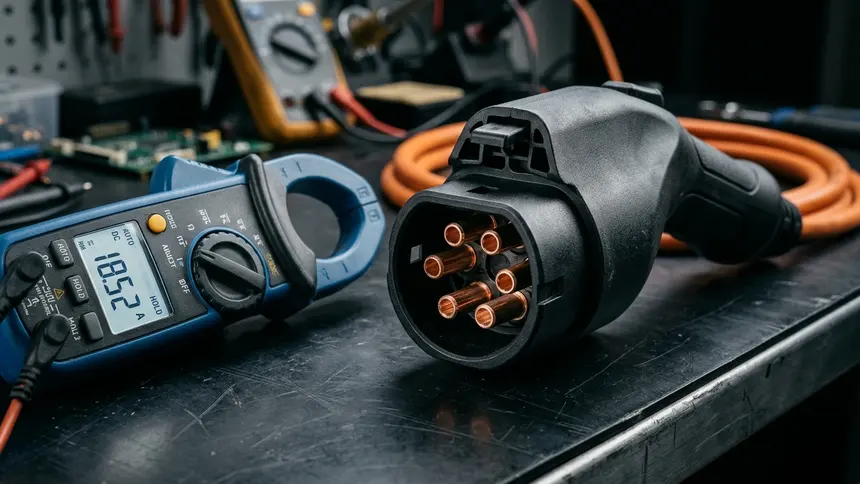
1. Total Estimated Installation Cost Summary
- Dedicated Level 2 EVSE Hardware: $400 - $750 (UL listed 32A to 48A smart wallbox)
- Licensed Electrician Labor & Conduit: $450 - $1,200 (Runs under 30 feet from panel)
- Municipal Safety Permit & Inspection: $60 - $250 (Varies by jurisdiction)
- Total Standard Installation: $910 - $2,200
- Service Panel Upgrade (If 100A to 200A needed): $1,500 - $3,000
2. Wire Sizing and Overcurrent Protection (NEC 625.41)
Under National Electrical Code continuous load rules, branch circuits feeding EVSE must be rated at 125% of continuous amperage: a 40A charger requires a 50A breaker with 6 AWG copper, while a 48A charger requires a 60A double-pole breaker wired with 6 AWG THHN copper (hardwired only).
3. Hardwire vs. NEMA 14-50 Receptacle
While NEMA 14-50 outlets offer portability, licensed electricians recommend direct hardwiring. Hardwiring removes plug blade thermal resistance, enables full 48A (11.5 kW) speed, and eliminates upstream GFCI breakers that often false-trip during EVSE internal self-tests.